corn grits flour bran food feed industry — Supriya Corn product range HyderabadCategoriesCorn Grits

Corn Grits, Flour & Bran: The Ultimate Food and Feed Industry Buyer’s Guide

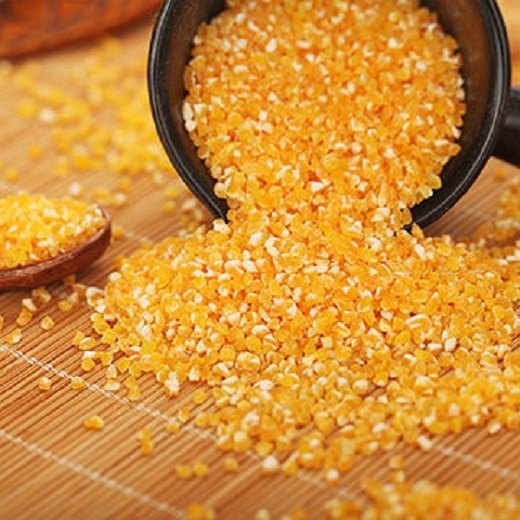
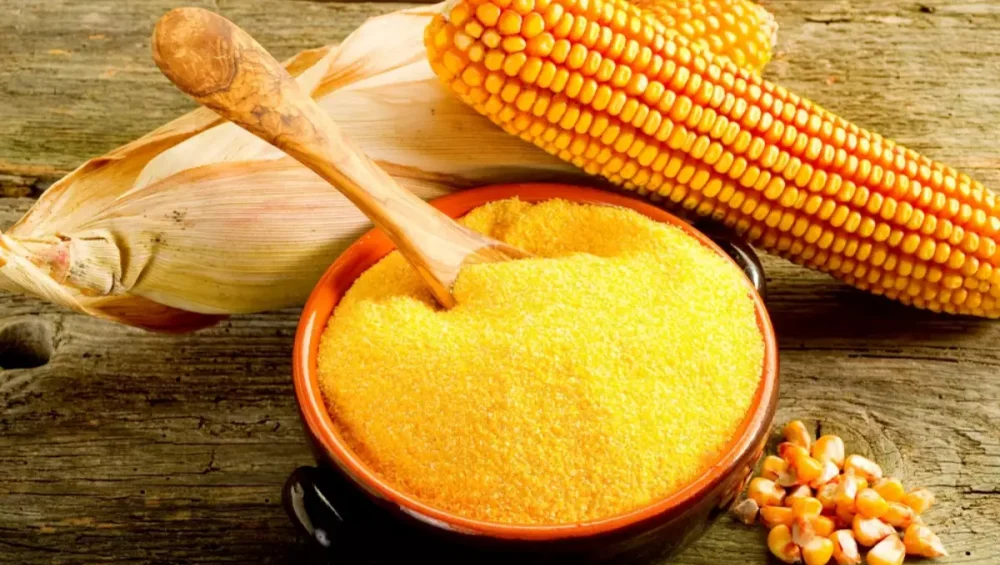
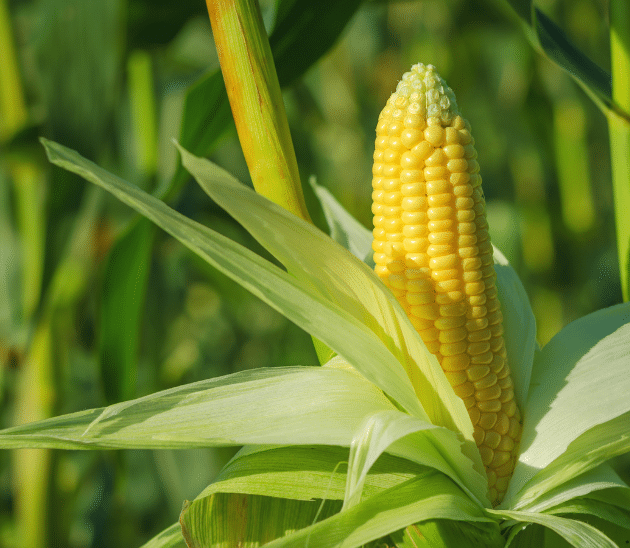
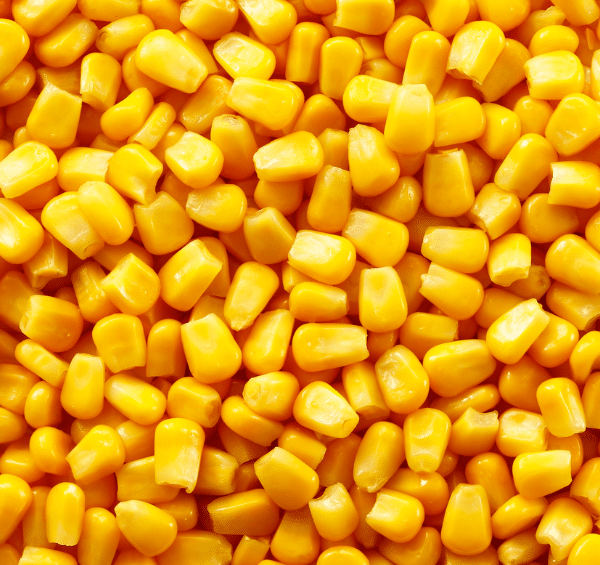
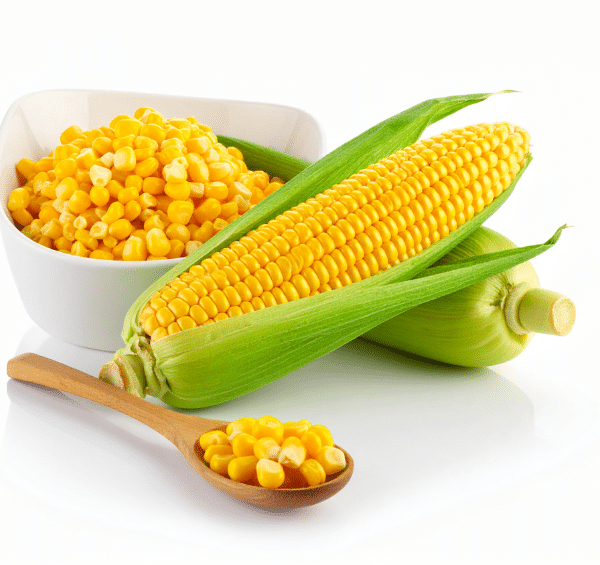
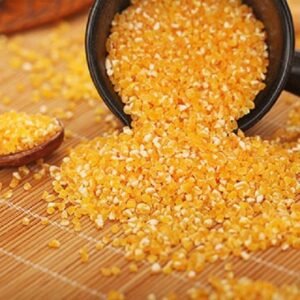
Corn grits, flour, and bran are three of the most widely used raw materials across the food and feed industry today. Whether you manufacture extruded snacks, breakfast cereals, bakery products, or livestock feed — your choice of corn ingredient and grade has a direct impact on your product quality and cost efficiency. This guide explains what each product is, where it is used, what parameters matter, and how food and feed industry buyers in India and globally can find the right supplier for consistent bulk supply. Corn Processing: How Products Are Made All corn ingredients begin with cleaned, dried maize kernels. During processing, the maize is broken down and separated into distinct fractions depending on the intended end use: Each fraction has distinct physical properties, nutritional characteristics, and industrial uses. Understanding this helps buyers immediately identify which product they need. Corn Grits for the Food and Feed Industry — Applications and Key Parameters What are corn grits?Corn grits are granular particles produced from the milled endosperm of maize. They range from coarse to medium granulation depending on the intended application. Corn grits are dry, shelf-stable, and designed for direct use in manufacturing processes. Where are corn grits used? Industry Application Key Parameter Snack manufacturing Extrusion, frying Granulation, moisture Cereal production Flaking (cornflakes) Particle size, density Brewing Adjunct fermentation Starch content, purity Bakery Texture enhancement Particle size, flavour Food processing Various food formulations Consistency, cleanliness What buyers should check:Granulation range, moisture level, foreign matter content, and bulk density are the four key parameters to evaluate before approving a corn grits grade. Always trial your chosen grade in actual production before moving to full-volume procurement. Flaking Grits: The Specialist Grade for Cereal Manufacturers Flaking grits are a specific type of corn grits produced for drum flaking applications — the process used to manufacture cornflakes and similar breakfast cereal products. What makes flaking grits different:Standard corn grits and flaking grits differ primarily in particle size and density profile. Flaking grits are processed to deliver pieces of a specific size and structure that respond correctly when passed through a drum flaker — producing thin, uniform flakes with consistent texture and colour. Key buyer requirements:Cereal manufacturers require tight size tolerances and uniform density in flaking grits. Variation in either parameter shows up directly as irregular flake size, poor colour, or breakage in the final product. Buyers should request detailed granulation specifications and a sample lot before full procurement. Corn Flour and Corn Bran: Roles in Food and Feed Industry Manufacturing What is corn flour?Corn flour is produced by finely milling the dried endosperm of maize to a flour-like consistency. It is lighter than corn grits and has a smooth, fine texture suited to a variety of food formulations. Where is corn flour used? What buyers should check:Particle size (fineness), moisture content, colour (off-white to light yellow is standard), and flavour neutrality are important for food-grade corn flour. If you are using corn flour in a branded product, ensure your supplier can maintain lot-to-lot consistency so your product taste and texture does not change. Corn Bran: Feed-Grade Applications and Buyer Considerations What is corn bran?Corn bran is the fibrous outer layer of the maize kernel, separated during the corn milling process. It is a by-product of corn processing that has significant value in the animal feed industry due to its fibre and energy content. Where is corn bran used? Why corn bran matters in feed:Corn bran contributes dietary fibre, energy density (through digestible carbohydrates), and blending flexibility in complete feed rations. For feed millers, consistent quality and supply reliability are the two most important factors — because feed formulations are calibrated to specific ingredient nutritional values, and changes in bran quality can shift the nutritional profile of the final feed. What buyers should check:Moisture content, fibre level, presence of foreign material, and mould/mycotoxin status are key parameters for feed-grade corn bran. Reputable suppliers will provide a certificate of analysis with every lot. How to Choose the Right Corn Grits or Flour Grade for Your Industry Here is a quick-reference guide for matching corn products to common industrial applications: Application Recommended Product Key Spec Extruded snacks Corn Grits (medium) Uniform granulation, low moisture Cornflakes / cereal Flaking Grits Size 4–6mm, consistent density Coating and batter Corn Flour Fine particle size, neutral flavour Tortillas / flatbreads Corn Flour Fine, uniform, low moisture Brewing adjunct Corn Grits (coarse) Starch purity, low fines Livestock / poultry feed Corn Bran Fibre level, low mycotoxin Dairy / ruminant feed Corn Bran Consistent quality, moisture control How to Source These Products From a Reliable Manufacturer Regardless of which corn product you need, these steps will help you qualify a supplier effectively: A professional supplier will guide you through this process rather than pushing you to place large orders before you have confirmed the grade is right for your application. About Supriya Corn Supriya Corn is a Hyderabad-based corn products manufacturer with nearly four decades of experience supplying food and feed industries across India and internationally. Our range — corn grits, flaking grits, corn flour, and corn bran — is produced using advanced Bühler AG processing technology with a daily capacity of 240 metric tonnes. We work directly with food manufacturers, cereal brands, snack producers, breweries, bakeries, feed mills, and export buyers to match the right product grade to their application and maintain it consistently across long-term supply relationships. 📞 040-29303144 | 🌐 supriyacorn.com

maize grits export India — Supriya Corn bulk corn grits packed for international shipmentCategoriesExport

Maize Grits Export India: 7 Essential Steps for Smart Global Sourcing

Maize grits export India is a growing sourcing opportunity for international buyers who want competitive pricing, consistent quality, and reliable shipment cycles. India produces over 35 million metric tonnes of maize annually, making it one of the strongest origins for bulk corn ingredient procurement globally. In this guide, we explain exactly how to source maize grits from India, what documentation to expect, and how to evaluate the right export partner for your requirements. Why Maize Grits Export From India Is Growing in Demand India produces over 35 million metric tonnes of maize annually, providing a consistent and large raw material base for corn processors. Several factors make India a preferred export origin for international buyers: Understanding Maize Grits Grades for Export Not all maize grits are the same. Different export markets and applications require different product specifications: For cereal and flaking manufacturers: Flaking grits require specific granulation ranges (commonly 4–6mm or similar) and consistent density to ensure proper flake formation on drum flakers. For snack manufacturers: Extrusion applications typically use finer corn grits with controlled moisture and granulation for consistent expansion and texture. For brewing applications: Breweries sourcing corn grits as an adjunct look for specific starch content, particle size, and low foreign matter to ensure stable fermentation performance. For bakery and food processing: Fine-to-medium corn grits and corn flour are used for coatings, batters, and other food applications where particle fineness and flavour neutrality matter. When approaching an Indian maize grits exporter, always lead with your application details and current specification. This ensures you receive the correct grade recommendation rather than a generic offer. Export Documentation: What to Expect Importing maize grits from India involves a standard set of documents. A professional Indian exporter will provide: Some destination countries may require additional certifications (FSSAI, Halal, etc.). Clarify these requirements upfront so your export partner can arrange accordingly before shipment. Packaging and Shipping Options Packaging for maize grits export from India typically includes: Shipping mode depends on volume and destination. FCL (Full Container Load) is typically the most cost-effective for bulk orders. LCL (Less Container Load) works for smaller trial shipments. Discuss Incoterms (FOB, CIF, CFR, etc.) clearly upfront so responsibilities and cost transfer points are agreed before the shipment is confirmed. How to Evaluate a Maize Grits Export India Supplier Before placing a bulk order with any Indian maize grits supplier, consider: How Supriya Corn Supports Global Maize Grits Buyers Supriya Corn has been supplying corn-based products to buyers across 15+ countries from our Hyderabad facility. Our export range includes corn grits in multiple granulation sizes, flaking grits, corn flour, and corn bran — all produced with advanced Bühler AG processing technology and a daily capacity of 240 metric tonnes. We support export buyers through every stage: Whether you are an importer, a trading company, or an end-user manufacturer looking to source directly from India, our team will provide you with a transparent, responsive, and application-focused export experience. Share your product, destination, quantity, and Incoterm preference — and we will respond with a complete commercial offer within 24 hours. 📞 040-29303144 | 🌐 supriyacorn.com

How Supriya Corn Works as Your Corn Grits Supplier in IndiaCategoriesCorn Grits

Corn Grits Supplier India: 5 Proven Ways to Get Consistent Bulk Quality

Corn grits supplier India — finding the right one is the most important sourcing decision for food manufacturers who depend on consistent raw material quality. If your production uses corn grits for snacks, cereals, brewing, or bakery applications, your supplier directly controls your batch consistency, rejection rate, and output reliability. In this guide, we break down exactly what to look for when selecting a bulk corn grits supplier in India so your manufacturing runs predictably every month. What Are Corn Grits and Why Does Quality Matter? Corn grits are coarsely ground particles produced from cleaned and processed maize. They serve as a key raw material across multiple food categories including extruded snacks, breakfast cereals, brewing adjuncts, and bakery products. The quality of corn grits affects: When grits vary in size, moisture, or purity from one delivery to the next, your production line has to compensate — often resulting in wasted material, machine setting adjustments, and inconsistent product batches. Key Parameters to Check From Any Corn Grits Supplier in India Before you commit to a supplier, ask for a technical specification sheet and evaluate the following parameters: Granulation size: Most applications require a specific range measured in mesh size or millimetres. Your equipment and formulation will dictate which range works best. A good supplier will offer multiple granulation options and help you identify the right fit. Moisture content: High moisture corn grits can cause clumping, mould development, and reduced shelf life. Standard moisture levels for food-grade grits are typically in the range of 12–14%, but your specific process may require tighter limits. Foreign matter and purity: Clean corn grits with minimal foreign matter, husks, or off-colour particles are essential for food-grade applications. Ask your supplier about their cleaning and sorting process before approving a grade. Bulk density: For snack extrusion and certain cereal applications, bulk density influences how product flows and behaves in your equipment. Confirm this with your process team before finalising specs. Cooking behaviour: If your application involves pre-cooking or hydration, ask for cooking behaviour data or perform a trial using actual production conditions. Why the Right Corn Grits Supplier in India Matters for Food Manufacturers A supplier’s physical infrastructure is just as important as the product itself. Modern processing equipment reduces variation and contamination risk. Quality control checkpoints during and after production help maintain consistent parameters across large batches. Storage and handling practices affect whether the product reaches you in the same condition it left the plant. When evaluating a corn grits supplier in India, ask: A supplier with high-capacity, technology-driven infrastructure is far better positioned to maintain your specs across a long-term relationship than one relying on outdated equipment. Logistics, Lead Times, and Procurement Planning For food manufacturers, raw material supply chain reliability is critical. A production halt caused by delayed corn grits delivery can cost far more than any price savings from a cheaper supplier. When evaluating a corn grits supplier, consider: Building a clear procurement cycle — for example, placing orders 10–14 days in advance of required delivery — helps both sides plan and avoids last-minute supply stress. How to Run a Successful Supplier Trial Before shifting to a new corn grits supplier for full-volume procurement, a structured trial helps confirm the product performs as expected in your process. A professional supplier will support this trial process and be willing to fine-tune the grade based on your feedback. How Supriya Corn Works as Your Corn Grits Supplier in India Supriya Corn has been manufacturing corn grits for industrial buyers for nearly four decades. Based in Hyderabad, Telangana, we supply food manufacturers, snack producers, cereal brands, and industrial processors across India and 15+ countries with high-quality corn grits tailored to their application. Our facility is equipped with Bühler AG processing technology and operates at a daily capacity of up to 240 metric tonnes — giving us the scale to support both large one-time orders and recurring bulk supply contracts. We focus on maintaining tight granulation tolerances, clean product, and consistent moisture levels across every batch. Whether you are evaluating corn grits suppliers for the first time or looking to shift from your existing supplier due to quality or logistics issues, our team is ready to support you with samples, spec sheets, and a transparent commercial offer. 📞 040-29303144 | 🌐 supriyacorn.com

CategoriesCorn Processing

Corn Grits, Corn Flour, and Corn Bran: Key Corn Products for Food and Feed Industries

Corn is one of the most versatile raw materials used across food and feed industries. From breakfast cereals and snacks to livestock feed, corn‑based ingredients support a wide range of applications. In this blog, we explain three important processed corn products—corn grits, corn flour, and corn bran—and how manufacturers can choose the right one for their needs. What Are Corn Grits?Corn grits are coarsely ground particles obtained from cleaned and processed maize. They are widely used in breakfast cereals, extruded snacks, brewing, and certain bakery applications. Because of their particle size and structure, corn grits influence texture, crunch, and cooking behaviour in the final product. Manufacturers often require specific granulation ranges and low levels of fines or foreign material, which makes supplier selection and process control very important. What Is Corn Flour and Where Is It Used?Corn flour is a finely milled product made from maize, used in coatings, bakery items, and many other food products. It helps with binding, texture, and colour, and is often combined with other flours depending on the formulation. Food manufacturers pay attention to particle size, moisture, and flavour neutrality when selecting corn flour. Consistent supply of the same grade helps them standardise recipes and maintain taste across batches. Understanding Corn Bran for Feed ApplicationsCorn bran is the fibrous outer layer of the maize kernel, commonly used in livestock feed formulations. It is valued for its fibre content and energy contribution within balanced feed diets. Feed manufacturers look for uniform, contamination‑free corn bran that can be blended easily with other ingredients. Reliability of supply is especially important because frequent changes in feed composition can affect animal performance. Matching Products to ApplicationsFor each application, the correct corn product and grade must be chosen carefully. Cereal makers may need specific corn grits sizes for flaking, while snack producers may use different granulations for extrusion. Bakeries might rely more on corn flour, whereas feed mills focus on corn bran and other by‑products. Sharing detailed process information with your ingredient supplier helps ensure that you receive products optimised for your equipment and formulations. How Supriya Corn Supports Different IndustriesSupriya Corn manufactures and supplies corn grits, corn flour, and corn bran for both food and feed industries. Our approach is to understand the end use first and then suggest suitable grades and specifications. With bulk‑oriented production and quality‑driven processes, we support manufacturers who value consistency and long‑term partnerships. Whether you operate a snack plant, cereal unit, bakery, or feed mill, our team can help you match the right corn‑based ingredient to your requirement. ConclusionUnderstanding the differences between corn grits, corn flour, and corn bran helps manufacturers improve product performance and streamline procurement. When you work closely with a specialised corn processor, you can optimise both quality and cost in your supply chain. If you want to explore suitable corn ingredients for your food or feed business, you can connect with Supriya Corn and share your applications and volume plans.

CategoriesExport

Maize Grits Export From India: A Practical Guide for Global Buyers

India is a reliable sourcing hub for maize grits, thanks to strong agricultural output and established processing infrastructure. For international buyers, working with the right export partner can simplify procurement and ensure consistent quality. This blog explains how maize grits export from India works, what global buyers should check, and how to make the process smoother. Why Source Maize Grits From India?India offers a combination of competitive pricing, large volumes, and experienced maize processors. Many Indian suppliers have built strong technical capabilities and understand the needs of cereal manufacturers, snack producers, feed companies, and breweries in different markets. For buyers, this means access to diverse granulations and grades, as well as flexibility in packaging and shipment sizes. With the right export partner, you can secure long‑term contracts that support your growth plans. Understanding Grades and ApplicationsMaize grits are not a one‑size‑fits‑all product. Different applications require different particle sizes and functional properties. For example, cereal and flaking applications usually need specific granulation ranges to ensure proper flake formation. Snack manufacturers may require particular sizes for extrusion or frying performance. Before starting export discussions, buyers should share full details about their application, process, and existing specs. This helps the Indian supplier recommend a correct grade and, if needed, fine‑tune it through trials. Export Documentation and ComplianceExporting maize grits involves documentation and compliance with both Indian regulations and destination‑country requirements. Typical documents include commercial invoice, packing list, certificate of origin, and, where required, phytosanitary certificates or quality certificates. Buyers should clarify any special requirements related to food safety standards, labelling, or certifications at the beginning of discussions. When these expectations are aligned early, the shipment process becomes smoother and avoids delays at port or customs. Packaging, Shipping, and LogisticsMaize grits must be packed and handled carefully to preserve quality during long‑distance transit. Exporters usually offer options like laminated bags, PP woven bags, or bulk bags depending on the buyer’s preference. You should decide in advance the packaging type, weight per bag, and whether palletisation is required. It is also important to discuss Incoterms, transit time, and preferred ports. Clear agreements on these points help both sides plan inventory, vessel booking, and local transport. How Supriya Corn Works With Export BuyersSupriya Corn supports global buyers with maize grits and other corn‑based products tailored to export requirements. Our team works step‑by‑step—starting with understanding your specification, sharing product data, and then moving to samples and trial shipments. We assist in aligning documentation, packaging, and shipment schedules with your expectations. Whether you are looking for a regular supply partner or exploring India as a new sourcing base, we can help you plan a structured approach to maize grits procurement. ConclusionMaize grits export from India can be a reliable, long‑term sourcing solution if you choose an experienced partner and clarify expectations early. By focusing on grade selection, documentation, and logistics planning, you protect quality and delivery timelines. To explore export‑ready maize grits and other corn products, you can reach out to Supriya Corn with your target market, volume, and application details.

CategoriesCorn Grits

Bulk Corn Grits Supplier in India: How to Choose the Right Partner for Your Industry

If you use corn grits in your manufacturing, the quality of your supplier directly affects your final product. Choosing the right bulk corn grits supplier in India is not just about price; it is about consistency, reliability, and technical understanding of your application. In this guide, we break down what to look for so that your production runs smoothly month after month. Why Bulk Corn Grits Quality MattersCorn grits are a core ingredient for many industries, including snacks, breakfast cereals, brewing, and bakery products. When the quality of grits fluctuates, it can impact texture, taste, colour, and even shelf life of your finished goods. For high‑volume manufacturers, this inconsistency can mean product rejections, machine setting changes, and higher wastage. A dependable supplier will focus on uniform granulation, precise moisture control, and clean, contamination‑free product so your output remains standard. Key Parameters to Check in Corn GritsBefore finalising a supplier, it helps to know the basic parameters you should evaluate in corn grits. Granulation size, moisture level, and foreign matter are three of the most important factors. Many manufacturers also check bulk density, colour, and cooking behaviour based on their process. You should ask for technical specifications and, wherever possible, test a sample in your production line. Once you are satisfied with performance, you can lock the specs and ask your supplier to maintain the same with every lot. Supplier Capabilities and InfrastructureBeyond product specs, the supplier’s infrastructure plays a major role in long‑term consistency. Modern milling and processing equipment, quality control checks, and trained teams help ensure that every batch meets your expectations. It is useful to understand your supplier’s daily or monthly capacity so you know whether they can grow with your demand. When a supplier operates with robust infrastructure and strong process control, it becomes easier to plan regular procurement without worrying about sudden quality shifts. Logistics, Lead Times, and SupportReliable dispatch and predictable lead times are vital for bulk buyers. Delays in raw material supply can halt production or force you to buy at higher spot prices from alternate sources. When you evaluate a corn grits supplier, look at their warehousing, transport arrangements, and dispatch planning. A good partner will provide clarity on delivery timelines, loading patterns, and documentation, and will be responsive when you need urgent shipments. How Supriya Corn Supports Bulk Corn Grits BuyersAt Supriya Corn, we focus on bulk corn grits supply designed for industrial use. Our product range covers multiple granulation sizes suitable for snacks, cereals, and other food applications. With experienced teams and process‑driven manufacturing, we work closely with buyers to understand application, trial the right grade, and then maintain that specification consistently. If you are planning to expand your production or switch to a stable long‑term supplier, our team can help you with samples, specifications, and a clear supply plan. ConclusionSelecting the right bulk corn grits supplier in India is a strategic decision for manufacturers. When you focus on product quality, infrastructure, logistics, and support, you reduce risk and make your production more predictable. If you would like to explore how Supriya Corn can support your corn grits requirements, you can contact our team with your application details and monthly volume.

How Supriya Corn Works as Your Corn Grits Supplier in IndiaCategoriesCorn Processing

Sustainability in Agriculture: A Step Forward

As the global population grows and natural resources become scarce, the need for sustainable agriculture has never been more critical. Sustainability in agriculture is about meeting today’s food, fiber, and fuel needs without compromising the ability of future generations to meet theirs. By adopting innovative techniques and environmentally friendly practices, agriculture is taking significant steps toward creating a balance between productivity and resource conservation. What is Sustainable Agriculture? Sustainable agriculture focuses on three key aspects: Environmental Health: Preserving the soil, water, and air quality while minimizing environmental impact. Economic Viability: Ensuring farming remains profitable for future generations. Social Equity: Supporting fair labor practices and promoting the well-being of farming communities. Key Practices in Sustainable Agriculture 1. Conservation Tillage Conservation tillage reduces soil disturbance, helping to maintain soil structure and fertility. By leaving crop residues on the field, it prevents erosion, improves water retention, and enhances biodiversity. 2. Crop Rotation and Diversification Rotating crops and diversifying plant types reduces pest infestations and improves soil health. For instance, alternating legumes with cereals can naturally enhance nitrogen levels in the soil. 3. Integrated Pest Management (IPM) IPM uses biological methods like natural predators, resistant crop varieties, and targeted chemical use to manage pests. This approach minimizes the overuse of harmful pesticides and protects beneficial organisms. 4. Precision Agriculture Using technology like GPS, drones, and sensors, precision agriculture ensures efficient use of water, fertilizers, and pesticides. Farmers can monitor crop health and soil conditions in real time, reducing waste and improving yields. 5. Organic Farming Organic farming avoids synthetic fertilizers and pesticides, focusing on natural inputs and traditional farming methods. This approach improves soil health, promotes biodiversity, and reduces chemical pollution. The Role of Technology in Sustainability Technology plays a significant role in making agriculture more sustainable: IoT and Smart Farming: Devices connected through the Internet of Things (IoT) monitor farm conditions and optimize resource use. Renewable Energy: Solar-powered irrigation and wind energy reduce dependency on fossil fuels. Blockchain: Ensures transparency in the supply chain, helping consumers support sustainable products. Water Conservation Techniques Efficient water management is vital for sustainable agriculture. Practices like drip irrigation, rainwater harvesting, and soil moisture sensors help farmers use water judiciously. Soil Health Management Healthy soil is the foundation of sustainable farming. Practices like adding organic matter, reducing chemical inputs, and planting cover crops help maintain soil fertility and prevent degradation. Benefits of Sustainable Agriculture Environmental Protection: Reduces pollution, conserves natural resources, and combats climate change. Improved Food Security: Sustainable methods ensure long-term food production and availability. Economic Stability: Reduces farming costs and increases profits by improving efficiency. Community Well-Being: Promotes fair labor practices and supports rural livelihoods. Challenges and Solutions Challenges: High initial costs for adopting new technologies. Lack of awareness among farmers about sustainable practices. Limited access to resources and markets. Solutions: Government subsidies and incentives for sustainable farming methods. Education and training programs for farmers. Public-private partnerships to support research and innovation. A Step Toward a Better Future Sustainable agriculture is not just a choice; it is a necessity. With the right practices and technologies, farming can be both productive and environmentally friendly. By supporting sustainable practices, governments, businesses, and individuals can contribute to a healthier planet and a secure food future. Together, we can take a step forward in agriculture to ensure that we nourish the world today without jeopardizing the needs of tomorrow.  4o

CategoriesCorn Grits

How Technology Shapes the Corn Industry

Corn, one of the most widely grown crops in the world, has always been a cornerstone of agriculture. With the rise of modern technology, the corn industry has undergone significant changes, becoming more efficient, sustainable, and productive. From advanced farming techniques to high-tech processing and distribution systems, technology has reshaped the way corn is cultivated, processed, and consumed. Here’s how technology is shaping the corn industry today. Smart Farming and Precision Agriculture Modern farming techniques, such as precision agriculture, have revolutionized the way corn is grown. Technologies like GPS, drones, and sensors help farmers monitor their fields with incredible accuracy. GPS-Guided Equipment: Tractors and other machinery equipped with GPS ensure precise planting, fertilizing, and harvesting. This reduces waste and improves yield. Drones: Drones provide aerial views of cornfields, helping farmers identify issues like pests, diseases, or water shortages early. Soil Sensors: These sensors measure moisture and nutrient levels in real time, ensuring the right amount of water and fertilizers are used. Biotechnology and Genetic Advancements Biotechnology has played a key role in improving corn varieties. Genetically modified (GM) corn is designed to resist pests, tolerate drought, and grow in challenging climates. Insect-Resistant Corn: GM corn reduces the need for chemical pesticides, making farming more sustainable. Drought-Tolerant Varieties: These help farmers grow corn in regions with limited water availability, ensuring consistent production. Nutritional Enhancements: Some corn varieties are engineered to have higher nutritional value, benefiting both consumers and livestock. Automation in Corn Processing Processing corn into various products, such as flour, oil, and biofuel, has become faster and more efficient thanks to automation. Advanced Machinery: Automated sorting, cleaning, and grinding machines ensure high-quality corn products. Energy-Efficient Systems: Modern processing plants use energy-saving technologies to minimize environmental impact. Role of Data and Artificial Intelligence Data and artificial intelligence (AI) have become powerful tools in the corn industry. Yield Prediction: AI analyzes data from weather patterns, soil conditions, and crop health to predict yields and suggest improvements. Supply Chain Optimization: Data helps streamline the movement of corn from farms to markets, reducing waste and ensuring fresh delivery. Market Insights: Farmers and producers use AI to understand market trends, helping them decide the best time to sell their produce. Sustainable Practices with Technology Sustainability is a key focus in the corn industry, and technology is driving greener practices. Precision Irrigation: Systems like drip irrigation reduce water usage by delivering water directly to the roots. Eco-Friendly Fertilizers: Smart technology helps farmers use the exact amount of fertilizer needed, preventing overuse and protecting the environment. Carbon Capture: Some processing plants are using advanced technology to capture and store carbon emissions, contributing to climate change mitigation. Corn and the Biofuel Revolution Corn is a major source of biofuel, particularly ethanol, which is used as an alternative to fossil fuels. Efficient Production: Advanced fermentation and distillation technologies make ethanol production more efficient. Second-Generation Biofuels: Researchers are developing ways to use corn stover (stalks and leaves) to produce biofuels, reducing waste. Digital Marketing and E-Commerce Technology has also transformed how corn products are marketed and sold. Online Platforms: Farmers and producers now sell corn and corn-based products directly to consumers through e-commerce platforms. Digital Traceability: QR codes and blockchain technology allow consumers to trace the origin of their corn products, promoting transparency and trust. Future Innovations The future of the corn industry looks promising with continuous technological advancements. From vertical farming to AI-driven farming robots, innovations will further increase productivity while minimizing environmental impact. Conclusion Technology has become an integral part of the corn industry, improving efficiency, sustainability, and profitability at every stage—from planting to processing and distribution. These advancements not only benefit farmers and businesses but also ensure that consumers receive high-quality, affordable corn products. As technology continues to evolve, the corn industry is poised to play an even bigger role in feeding the world sustainably and meeting the growing demand for food, fuel, and other essential products.

CategoriesExport

The Role of Corn in Modern Nutrition

Corn, also known as maize, is one of the most important foods in the world. It has been a part of our diet for thousands of years and is still loved by people everywhere. Whether you enjoy it as boiled sweet corn, crunchy popcorn, or in tasty dishes, corn plays a big role in modern nutrition. Let’s take a closer look at why corn is so important for our health and diet today. Full of Nutrients Corn is packed with nutrients that are good for your body. A 100-gram serving of corn gives you: Calories: Around 96 Carbs: 21 grams (for energy) Protein: 3.4 grams (helps build muscles) Fiber: 2.4 grams (great for digestion) Vitamins: Includes B vitamins like B1, B5, and folate, which are good for energy and brain health. Corn is also a rich source of potassium and magnesium, which help maintain healthy muscles and nerves. Its fiber keeps your tummy happy and helps control your weight by keeping you full for longer. Different Types of Corn Corn comes in many forms, and each one has something unique to offer: Sweet Corn: It’s soft, juicy, and naturally sweet. A great choice for a healthy snack or side dish. Popcorn: A favorite snack that’s light and full of fiber. Just avoid too much butter or salt to keep it healthy! Cornmeal and Flour: Used in making dishes like rotis, cornbread, or even dosas, retaining the nutrition of whole corn. Keeps Your Heart Healthy Corn is good for your heart too! It has healthy fats like polyunsaturated fats, which help reduce bad cholesterol. The natural compounds in corn, such as carotenoids, are also great for keeping your heart in good shape. Perfect for Gluten-Free Diets If you or someone you know cannot eat gluten (found in wheat), corn is a lifesaver. It is naturally gluten-free, so products like corn flour, corn tortillas, and corn pasta are perfect options. Corn in Everyday Foods Corn is super versatile and is found in many common products: Corn Oil: Great for cooking, as it has healthy fats and vitamin E. Corn Starch: Used to thicken soups and sauces. Corn Syrup: A sweetener used in desserts, though it’s best to have it in moderation. Corn in Modern Diets Corn fits perfectly into many diet trends today: Plant-Based Diets: Corn is a good option for vegans and vegetarians as it provides plant protein. Whole-Grain Benefits: Popcorn is a whole grain, and eating it helps improve your daily fiber intake. Natural Eating: Fresh or minimally processed corn is ideal for those who prefer clean, simple, and natural foods. Helping the World with Food Corn isn’t just important for us—it also helps the world. It’s a crop that grows easily in many places and provides food for humans and animals. Plus, it is used to make biofuels and other industrial products, making it a key player in the global economy. Conclusion Corn is more than just a tasty food; it’s a complete package of nutrition, energy, and versatility. Whether you munch on boiled corn, enjoy a bowl of popcorn, or use corn flour in your cooking, it’s an easy way to add health and flavor to your diet. So, the next time you see corn, remember—it’s not just a snack, it’s a superfood that fits perfectly into modern nutrition!