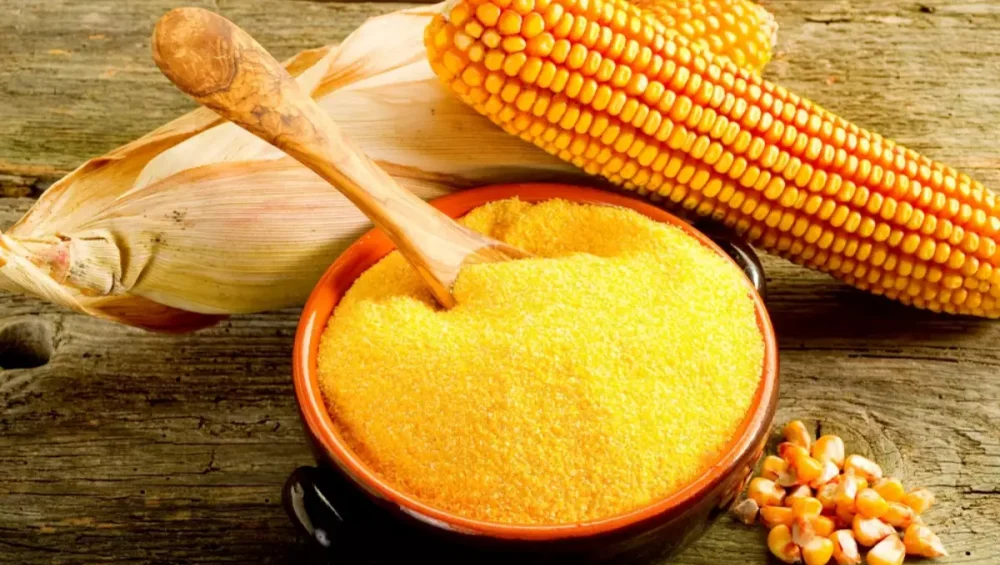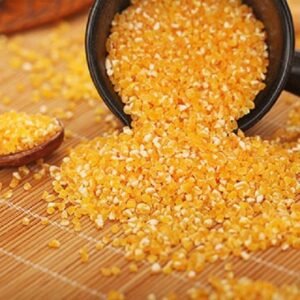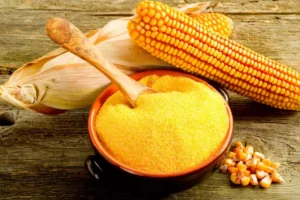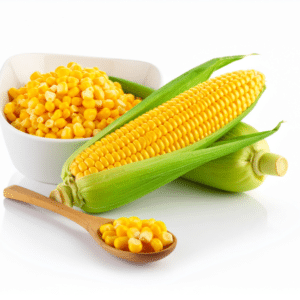
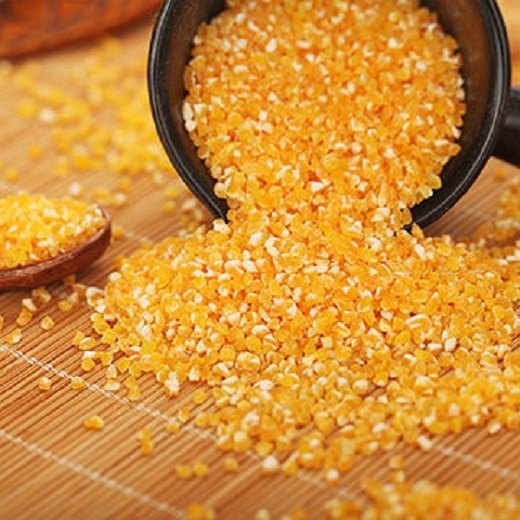
Corn grits are small pieces of the maize kernel’s hard inner part, the endosperm. A mill cleans the maize, takes off the outer bran and the oily germ, then breaks the endosperm and sifts it into different sizes. Each size behaves differently in a factory, which is why buyers order grits by type and not just as “corn grits”. If you are buying for a snack line, a cereal plant or a brewery, picking the wrong type shows up fast: uneven expansion, broken flakes, or a mash that will not convert properly. This guide explains the main types, what each one is used for, and what to ask a supplier before you place a bulk order. How corn grits are made Most grits in India come from dry milling. The steps are simple to describe and hard to do well at scale: Good degerming is the difference between grits that keep for months and grits that smell stale in a few weeks. When you compare suppliers, ask how they degerm, not just what sizes they offer. The main types of corn grits Coarse grits These are the largest regular grits. They are used where you want bite and texture: upma-style ready mixes, polenta, some breakfast porridges and a few bakery toppings. Coarse grits also go into some extruded products where the line is set up for a bigger feed. Medium grits Medium grits are the workhorse for extruded snacks. Puffed corn snacks, rings, curls and many “kurkure-style” products start with medium or fine grits. Extruders need a steady particle size so that the grits cook and expand evenly. If the size jumps around from batch to batch, the snack’s shape and crunch change with it. Fine grits Fine grits sit between medium grits and corn meal. They suit smaller extruders, coated snacks, and some bakery and batter uses. Many buyers who think they need corn flour actually need fine grits, and the other way round. If you are not sure, share your process with the mill and ask for samples of both. (Our corn flour page explains where flour takes over.) Flaking grits Flaking grits are large, whole pieces of endosperm, each one big enough to become a single corn flake. They are cooked with flavouring, dried, pressed between heavy rollers and toasted. Size and integrity matter more here than anywhere else, because broken grits make small, uneven flakes. We cover this in detail on our corn flaking grits page. Brewers grits Breweries use maize grits as an adjunct alongside barley malt, mostly for lighter lager styles. The grits are cooked to gelatinise the starch, then added to the mash where malt enzymes turn the starch into fermentable sugar. Brewers care most about low fat, because oil can affect foam and flavour, and about consistency, because their recipes are tuned to a steady extract. Quick reference: which grit for which use Application Type usually used What the buyer cares about most Extruded snacks (puffs, rings, curls) Medium or fine Even particle size, steady expansion Corn flakes and flaked cereals Flaking grits Large, unbroken grits, low fat Beer (lager adjunct) Brewers grits Low fat, consistent extract Ready mixes, porridge, polenta Coarse Texture, clean colour Coated snacks, batters, some bakery Fine Smooth mixing, no grittiness Exact particle ranges differ by factory and by machine. Treat this table as a starting point and confirm the range with your own trials. Grade names and number codes Some mills sell grits under number codes instead of plain names. A code only tells you something if you know the particle range and fat level behind it, and two mills can use the same code for slightly different products. Before you switch suppliers on the basis of a code, ask for the sieve range in writing and run a trial batch. What to check before you buy corn grits in bulk Use this as a checklist when you speak to a corn grits manufacturer: Storing corn grits Keep bags off the floor on pallets, in a dry and airy store, away from walls and away from direct sun. Use stock first-in, first-out. If a bag smells stale or musty, set it aside and check it before it goes into production. Grits are hardy, but heat and damp will undo good milling. Buying corn grits from Supriya Corn Products Supriya Corn Products has milled maize in Telangana since 1986. Our plant at Chegur, near Hyderabad, runs Bühler milling equipment with in-house quality checks on every batch. We supply fine, medium, coarse, flaking and brewers grits to snack makers, cereal brands, breweries and food processors across India. If you want a sample or a quote, see our page for corn grits manufacturer in India and send your application and monthly volume. Our certifications are listed on the Quality page.
 CategoriesUncategorized