CategoriesBuyer Guides

Corn Grits for Snacks: Choosing the Right Grit for Puffs, Namkeen and Extruded Snacks

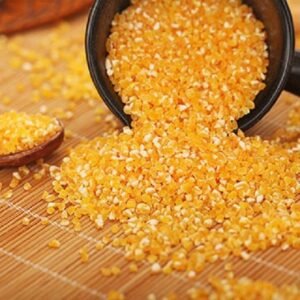
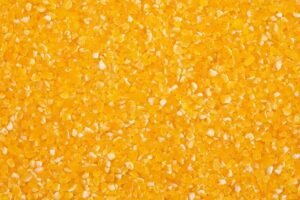
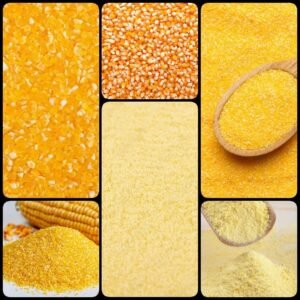
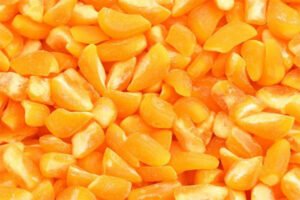
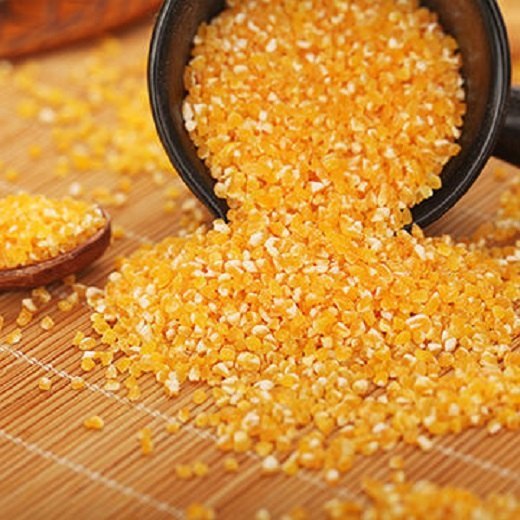
For most extruded and fried corn snacks, fine to medium degermed corn grits are the starting point. Puffs and rings usually run on fine to medium grits. Namkeen and fried snacks often need medium to coarse grits for more bite. The right grit for your line depends on your extruder, your recipe and the texture you want, so always run a trial before a bulk order. This guide is for snack makers, namkeen units and contract manufacturers who buy corn grits and want fewer problems on the line. Why grit size matters on an extruder An extruder cooks the grit with heat, pressure and water, then lets it expand as it leaves the die. Each particle needs to absorb water and cook at the same rate. When the grit size is mixed: That is why buyers care less about the exact size and more about consistency. A steady grit lets your operators set the machine once and leave it. Which grit for which snack Snack Grit that usually suits Why Puffs and balls Fine to medium Even, light expansion and a smooth surface Rings and corn sticks Medium Holds shape through the die and keeps a crisp bite Kurkure-style twisted snacks Medium to coarse More texture and crunch after frying Namkeen mixes and fried bits Medium to coarse, or corn meal Bite and crunch, takes masala well Pellets (3D and 2D snacks) Fine to medium Uniform sheet or shape before drying These are starting points. Twin-screw and single-screw extruders behave differently, and every recipe has its own mix of corn, rice, starch and flavour. Treat the table as the first conversation with your supplier, not the final answer. Our guide to the types of corn grits covers the grades in more detail. Why degermed grits matter The germ is the oily part of the corn kernel. If it stays in the grit: Degermed grits keep fat low, store longer and give a more predictable puff. For most packaged snacks with a long shelf life, ask for degermed corn grits. Corn meal for namkeen Some namkeen and fried snack recipes need a coarser, more rustic texture than grits give. Corn meal is coarser and works well in mixes, coated snacks and traditional recipes. Many units keep both grits and meal approved so they can adjust texture by product. What to send your supplier before a trial You will get the right sample faster if you share: Checks to run on every delivery Corn grits for snacks from Supriya Corn Products We have milled corn grits at our own plant near Hyderabad since 1986. Our grits are degermed, milled on Bühler lines, sieved into fine, medium and coarse grades, and checked in our own lab before packing in 25 kg or 50 kg bags. Snack makers can ask for a sample and a specification sheet before the first order. Visit our corn grits manufacturer in India page and send us your snack type, extruder type and monthly volume. Frequently Asked Questions
CategoriesBuyer Guides
HSN Codes for Corn Products: Maize Grits, Flour, Bran, Chilli and Cinnamon

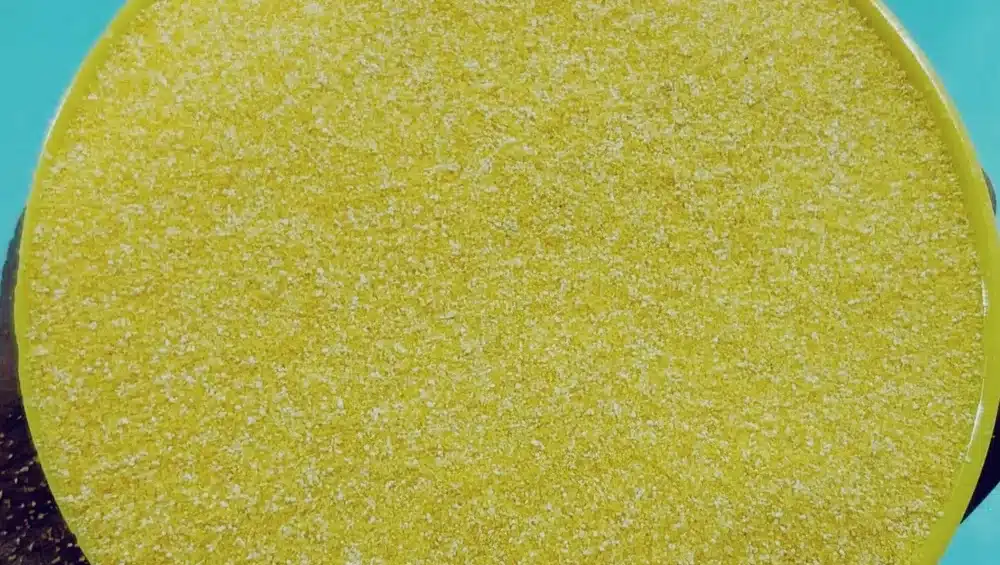
Maize grits come under HS heading 1103.13 (groats and meal of maize). Corn flour comes under 1102.20, maize bran under 2302.10 and maize grain under 1005.90. If you buy or export corn products, these four codes cover most of your paperwork. The table below adds chilli powder and cinnamon, and the sections after it explain where buyers usually get confused. What an HSN code is HSN stands for Harmonized System of Nomenclature. It is the international product code system run by the World Customs Organization. The first six digits are the same in almost every country. India adds two more digits for its own tariff, so an Indian tariff line has eight digits. You need the code on GST invoices, shipping bills, import entries and certificates of origin. A wrong code can mean the wrong tax rate, a held shipment or a query from customs, so it is worth getting right once and reusing it. HSN codes for corn products and spices Product HS code (6 digit) Heading description Our page Corn grits / maize grits (fine, medium, coarse, flaking, brewers) 1103.13 Groats and meal of maize corn grits manufacturer in India Corn meal (coarse maize meal) 1103.13 Groats and meal of maize corn meal Corn flour / maize flour 1102.20 Maize (corn) flour corn flour Maize bran / corn bran 2302.10 Bran of maize (corn) maize bran Maize grain (not for sowing) 1005.90 Maize, other than seed yellow maize Red chilli powder 0904.22 Fruits of the genus Capsicum, crushed or ground red chilli powder Ceylon cinnamon quills 0906.11 Cinnamon (Cinnamomum zeylanicum), neither crushed nor ground Ceylon cinnamon Ground Ceylon cinnamon 0906.20 Cinnamon, crushed or ground Ceylon cinnamon Confirm the full eight-digit Indian code with your CA or customs house agent before you file. Why grits and flour have different codes Both come from the same part of the maize kernel, the endosperm. The difference is how fine it is ground. Customs sorts milled cereals by particle size: So if your supplier invoices “corn grits” under 1102.20, or “corn flour” under 1103.13, ask why. Usually it is a simple mistake, but it should match what is actually in the bag. Our guide to the types of corn grits explains the grades in more detail. Maize bran is not a milled cereal Bran falls in Chapter 23, which covers residues from the food industry and animal feed. Maize bran is 2302.10. Wheat bran and rice bran have their own codes under 2302 too. Feed buyers sometimes see maize bran billed under a Chapter 11 code. That is wrong, because bran is a by-product, not a flour or meal. Maize grain: seed vs other Whole maize has two lines. 1005.10 is seed for sowing. 1005.90 is everything else, which is what feed mills and processors buy. Yellow maize for poultry and cattle feed goes under 1005.90. Spices: whole vs ground For both chilli and cinnamon, the code changes when the spice is ground: If you buy Ceylon cinnamon and the invoice says 0906.19, check whether you are being sold cassia. Codes and export documents For export, the same six-digit code should appear on the commercial invoice, packing list, shipping bill, phytosanitary certificate and certificate of origin. The importing country may add its own extra digits, so ask your buyer or their customs broker for the code they will use at their end. Buying corn products from Supriya Corn Products We have processed maize at our own plant near Hyderabad since 1986. Every invoice we raise carries the code for the product actually supplied, and our team can answer code questions before you order. For grits, flour, meal or bran, start from our corn grits manufacturer in India page and send us your product, monthly volume and delivery city. Frequently Asked Questions

CategoriesBuyer Guides
Corn Grits for Brewing: What Brewers Grits Do and How to Choose Them

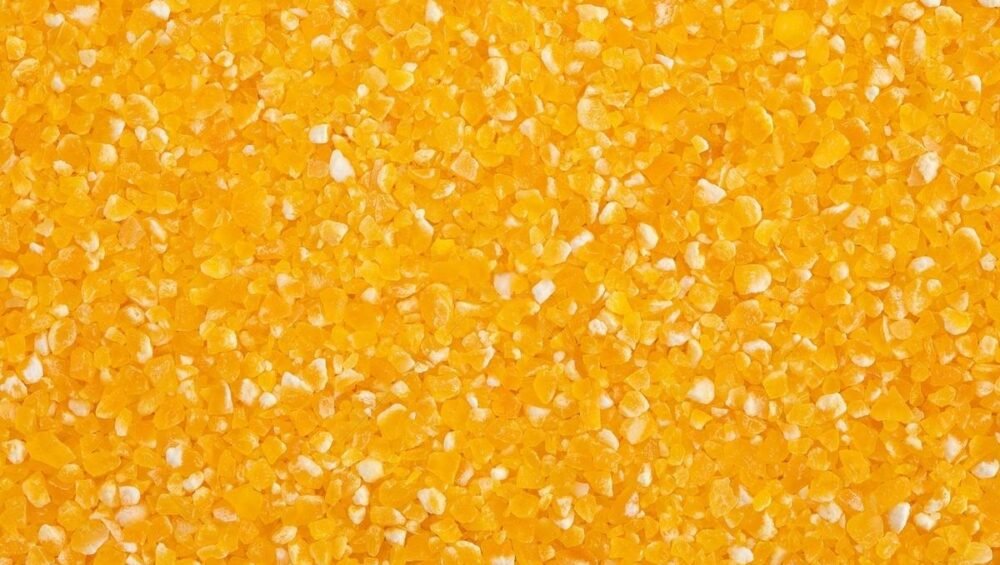
Brewers use corn grits as an adjunct: a source of extra fermentable sugar alongside malted barley. Corn grits give a lighter body, a cleaner taste and a paler colour than an all-malt beer, which is why they are common in lager. For brewing, the grits need to be low in fat, even in size and steady from one lot to the next. What an adjunct does Malted barley brings the enzymes and most of the flavour in beer. An adjunct brings extra starch that the malt’s enzymes turn into sugar. Corn, rice and sugar syrups are the common adjuncts. Corn grits are popular because they: How brewers grits are used Corn starch needs a higher temperature to gelatinise than barley starch. So most breweries cook corn grits separately in a cereal cooker, with a small share of malt, before adding the cooked mash to the main mash. If the grits are not cooked through, the starch is not available to the enzymes and the brewery loses extract. This is where grit quality shows up. Even-sized grits cook evenly. Grits with too many fine particles can form lumps. Grits with too many coarse pieces may not cook through in the time set for the cooker. What brewers check in corn grits Check Why it matters Fat (oil) content Fat from the germ can hurt foam and flavour stability. Brewers grits should be degermed and low in fat Particle size Even size means even cooking and fewer lumps Moisture Affects how much extract you get per bag and how well the grits store Extract consistency Your brewhouse is set up around a certain extract. Big swings mean recalculating every brew Mycotoxins Maize can carry aflatoxin. Ask how incoming maize is checked Foreign matter and smell Grits should be clean, free of husk and black specks, with a fresh smell Ask for a specification sheet and a certificate of analysis (COA) with every lot, and compare each new delivery with the one before. Corn grits vs rice as an adjunct Both give a light, clean beer. Rice gives a very dry, crisp finish. Corn gives a slightly fuller, rounder taste. Many breweries choose based on local supply, price and the house style of the beer. Some keep both approved. Questions to ask a brewers grits supplier Brewers grits from Supriya Corn Products We have processed maize at our own plant near Hyderabad since 1986. Our grits are degermed, milled on Bühler lines, sieved to size and checked in our in-house lab before packing in 25 kg or 50 kg bags or jumbo bags. Breweries can ask for a sample and a specification sheet before the first order. You can read about all our grades in our guide to the types of corn grits. For a quote, visit our corn grits manufacturer in India page and share your cooker process, target particle size and monthly volume. Frequently Asked Questions

CategoriesBuyer Guides
Degermed Corn Grits: What Degerming Means and Why Food Makers Ask for It

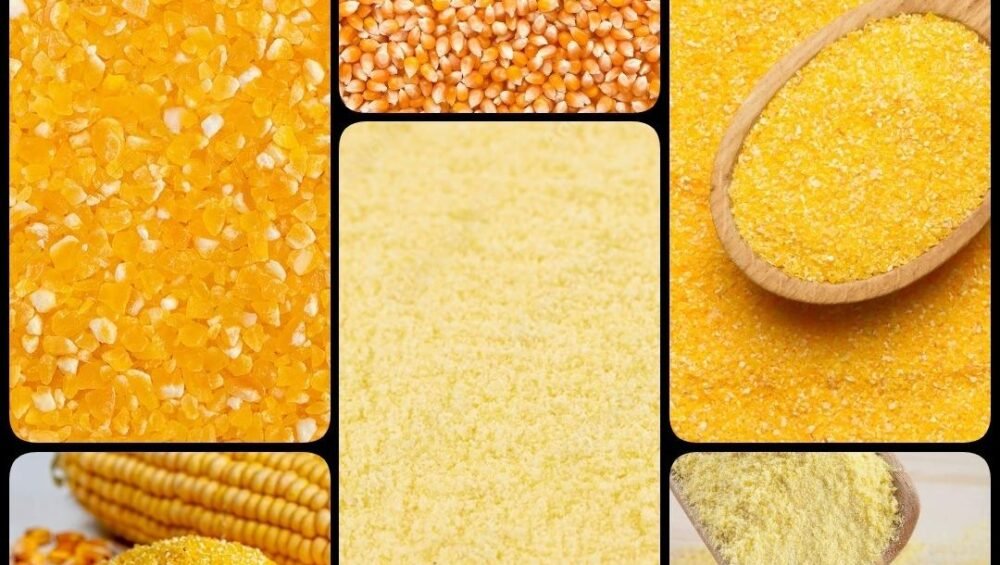
Degermed corn grits are corn grits made after the germ (the oily heart of the maize kernel) and the outer skin have been removed. What is left is the endosperm, the hard, starchy part of the kernel, which is then milled and sieved into grits. Degermed grits are lower in fat, keep longer and behave more predictably in snack, cereal and brewing lines than grits milled from the whole kernel. The three parts of a maize kernel A maize kernel has three main parts: Whole-kernel milling grinds all three together. Dry milling with degerming separates them first. How degerming works In a dry corn mill, the process usually runs like this: The bran that comes off goes to feed mills as maize bran. The germ is usually sent for oil extraction. Why buyers ask for degermed grits Longer shelf life. The germ holds most of the oil in the kernel. Oil turns rancid over time, which gives stale, off flavours. Removing the germ removes most of that risk. Better expansion in snacks. Low fat grits puff up more evenly on an extruder. Read more in our guide to corn grits for snacks. Cleaner brewing. Breweries want low fat grits because fat can hurt foam and flavour stability. See corn grits for brewing. Even colour and texture. Without dark bran and germ pieces, grits look cleaner and cook more evenly, which matters for corn flakes and premium snacks. Degermed corn flour The same process makes degermed corn flour: the clean endosperm is milled fine instead of being sieved into grits. Degermed corn flour has the same advantages as degermed grits, with a longer shelf life and a lighter colour than whole maize flour. Is degermed corn less nutritious? Removing the germ and bran takes out some fibre, oil and a few vitamins and minerals. That is the trade-off for a longer shelf life and steady processing. Whole maize flour (traditional makki atta ground from the whole grain) keeps more of these, but it also spoils faster. Food makers choose based on what their product needs. How to check that grits are really degermed Degermed corn grits from Supriya Corn Products We have processed maize at our own plant at Chegur, near Hyderabad, since 1986. Our grits are cleaned, degermed and milled on Bühler lines, sieved into flaking, coarse, medium and fine grades, and checked in our in-house lab before packing. You can see the plant on our Infrastructure page. For samples and a quote, visit our corn grits manufacturer in India page. Frequently Asked Questions