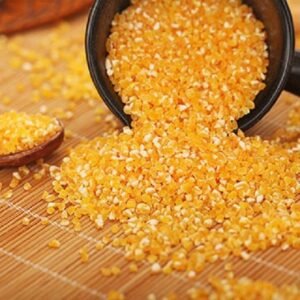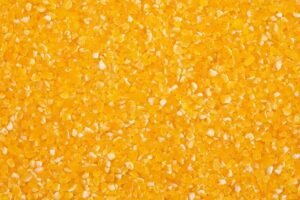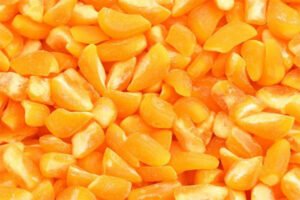
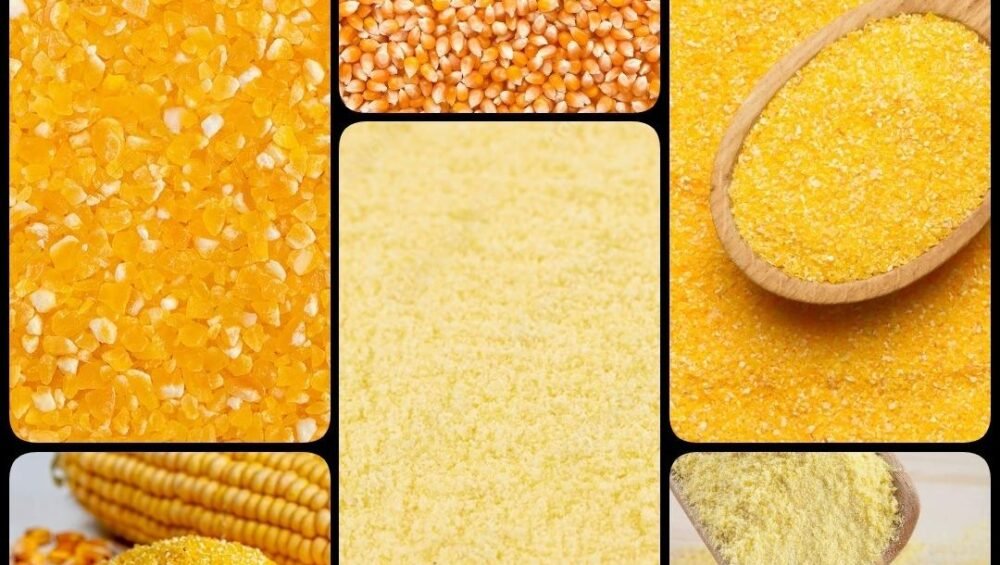
Degermed corn grits are corn grits made after the germ (the oily heart of the maize kernel) and the outer skin have been removed. What is left is the endosperm, the hard, starchy part of the kernel, which is then milled and sieved into grits. Degermed grits are lower in fat, keep longer and behave more predictably in snack, cereal and brewing lines than grits milled from the whole kernel.
The three parts of a maize kernel

A maize kernel has three main parts:
- Bran (pericarp): the thin outer skin. Mostly fibre.
- Germ: the embryo of the seed. It holds most of the kernel’s oil.
- Endosperm: the largest part. Mostly starch with some protein. This is what grits and flour are made from.
Whole-kernel milling grinds all three together. Dry milling with degerming separates them first.
How degerming works
In a dry corn mill, the process usually runs like this:
- Cleaning: dust, stones, broken kernels and foreign matter are removed.
- Tempering: the maize is conditioned with a little water so the skin and germ loosen from the endosperm.
- Degerming: a degermer breaks the kernel and rubs off the skin and germ.
- Separation: sieves and aspirators separate the endosperm pieces from the bran and germ.
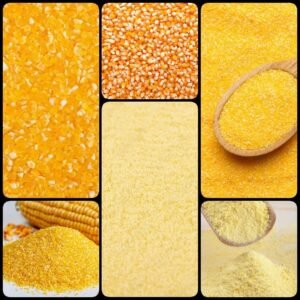
- Milling and grading: the clean endosperm is milled and sieved into flaking, coarse, medium and fine grits, corn meal and corn flour.
The bran that comes off goes to feed mills as maize bran. The germ is usually sent for oil extraction.
Why buyers ask for degermed grits
Longer shelf life. The germ holds most of the oil in the kernel. Oil turns rancid over time, which gives stale, off flavours. Removing the germ removes most of that risk.
Better expansion in snacks. Low fat grits puff up more evenly on an extruder. Read more in our guide to corn grits for snacks.
Cleaner brewing. Breweries want low fat grits because fat can hurt foam and flavour stability. See corn grits for brewing.
Even colour and texture. Without dark bran and germ pieces, grits look cleaner and cook more evenly, which matters for corn flakes and premium snacks.
Degermed corn flour
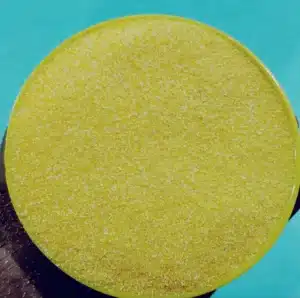
The same process makes degermed corn flour: the clean endosperm is milled fine instead of being sieved into grits. Degermed corn flour has the same advantages as degermed grits, with a longer shelf life and a lighter colour than whole maize flour.
Is degermed corn less nutritious?
Removing the germ and bran takes out some fibre, oil and a few vitamins and minerals. That is the trade-off for a longer shelf life and steady processing. Whole maize flour (traditional makki atta ground from the whole grain) keeps more of these, but it also spoils faster. Food makers choose based on what their product needs.
How to check that grits are really degermed
- Look: degermed grits are an even yellow with no dark flecks or pieces of skin.
- Smell: fresh and clean, not oily or stale.
- Ask for the COA: the certificate of analysis should list fat. Compare it between lots.
- Store a sample: keep a sealed sample for a few weeks and smell it again. Grits with too much germ start to smell stale sooner.
Degermed corn grits from Supriya Corn Products
We have processed maize at our own plant at Chegur, near Hyderabad, since 1986. Our grits are cleaned, degermed and milled on Bühler lines, sieved into flaking, coarse, medium and fine grades, and checked in our in-house lab before packing. You can see the plant on our Infrastructure page.
For samples and a quote, visit our corn grits manufacturer in India page.
Frequently Asked Questions
What does degermed corn grits mean?
It means the germ and outer skin of the maize kernel were removed before milling. Only the starchy endosperm is milled into grits.
Why are corn grits degermed?
To lower the fat content. That gives a longer shelf life, better expansion in snacks and cleaner results in brewing.
Is degermed corn flour the same as cornstarch?
No. Degermed corn flour is the milled endosperm, with its starch, protein and some fibre. Cornstarch is pure starch extracted by wet milling.
What happens to the germ and bran?
The bran goes to feed mills as maize bran. The germ is usually used for corn oil extraction.
Are degermed corn grits healthy?
They are a good source of starch and energy, with less fat and fibre than whole maize. Whole maize products keep more fibre but spoil faster.