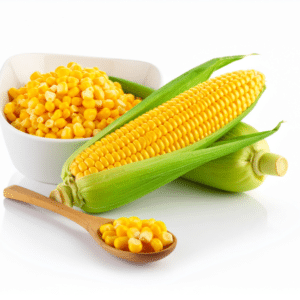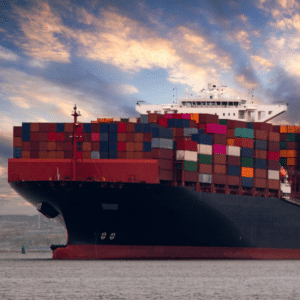
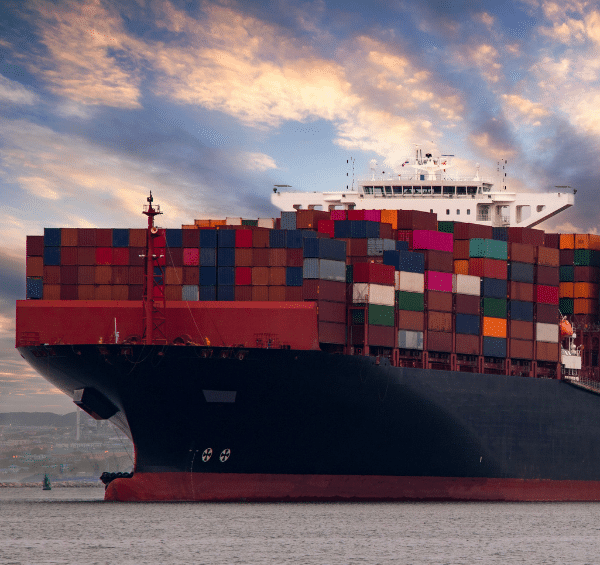
India is a reliable sourcing hub for maize grits, thanks to strong agricultural output and established processing infrastructure. For international buyers, working with the right export partner can simplify procurement and ensure consistent quality. This blog explains how maize grits export from India works, what global buyers should check, and how to make the process smoother. Why Source Maize Grits From India?India offers a combination of competitive pricing, large volumes, and experienced maize processors. Many Indian suppliers have built strong technical capabilities and understand the needs of cereal manufacturers, snack producers, feed companies, and breweries in different markets. For buyers, this means access to diverse granulations and grades, as well as flexibility in packaging and shipment sizes. With the right export partner, you can secure long‑term contracts that support your growth plans. Understanding Grades and ApplicationsMaize grits are not a one‑size‑fits‑all product. Different applications require different particle sizes and functional properties. For example, cereal and flaking applications usually need specific granulation ranges to ensure proper flake formation. Snack manufacturers may require particular sizes for extrusion or frying performance. Before starting export discussions, buyers should share full details about their application, process, and existing specs. This helps the Indian supplier recommend a correct grade and, if needed, fine‑tune it through trials. Export Documentation and ComplianceExporting maize grits involves documentation and compliance with both Indian regulations and destination‑country requirements. Typical documents include commercial invoice, packing list, certificate of origin, and, where required, phytosanitary certificates or quality certificates. Buyers should clarify any special requirements related to food safety standards, labelling, or certifications at the beginning of discussions. When these expectations are aligned early, the shipment process becomes smoother and avoids delays at port or customs. Packaging, Shipping, and LogisticsMaize grits must be packed and handled carefully to preserve quality during long‑distance transit. Exporters usually offer options like laminated bags, PP woven bags, or bulk bags depending on the buyer’s preference. You should decide in advance the packaging type, weight per bag, and whether palletisation is required. It is also important to discuss Incoterms, transit time, and preferred ports. Clear agreements on these points help both sides plan inventory, vessel booking, and local transport. How Supriya Corn Works With Export BuyersSupriya Corn supports global buyers with maize grits and other corn‑based products tailored to export requirements. Our team works step‑by‑step—starting with understanding your specification, sharing product data, and then moving to samples and trial shipments. We assist in aligning documentation, packaging, and shipment schedules with your expectations. Whether you are looking for a regular supply partner or exploring India as a new sourcing base, we can help you plan a structured approach to maize grits procurement. ConclusionMaize grits export from India can be a reliable, long‑term sourcing solution if you choose an experienced partner and clarify expectations early. By focusing on grade selection, documentation, and logistics planning, you protect quality and delivery timelines. To explore export‑ready maize grits and other corn products, you can reach out to Supriya Corn with your target market, volume, and application details.
 CategoriesExport