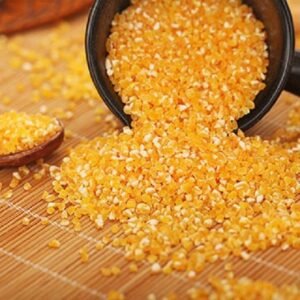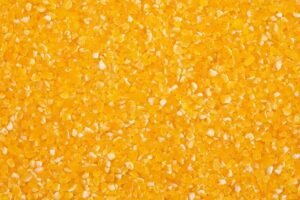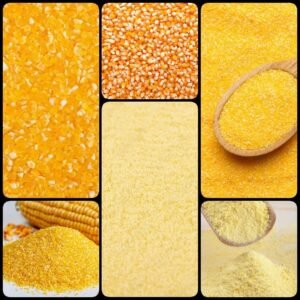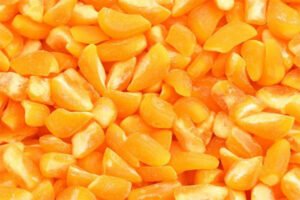
A corn flake looks simple: a thin, crisp, golden curl. Making one at factory scale is not. The process has been around for more than a century, and the core steps have stayed the same. What has changed is control. Today’s cereal plants measure moisture, temperature and roller gaps closely, because small changes show up as broken, burnt or soggy flakes. The most important raw material in that process is the corn flaking grit. This guide walks through how corn flakes are made and explains why the quality of the grit decides how well the line runs. Step 1: Starting with the right maize Corn flakes start with maize that is clean, sound and free of mould. The maize is dry-milled to remove the bran and germ, and the hard endosperm is broken into large pieces called flaking grits. These are the biggest grits a corn mill makes. Ideally, each grit becomes one flake. Why remove the germ? It carries most of the grain’s oil. Oil makes the flakes go rancid faster and can cause sticking in the cooker. Low-fat grits give longer shelf life and a cleaner taste. Step 2: Cooking with flavour The grits go into large rotary cookers along with a flavour syrup, usually sugar, malt and salt, and some water. The cookers turn while steam cooks the grits under pressure. The starch inside each grit gelatinises, and the grit turns from chalky white to a soft, translucent, golden lump. This is where grit size matters first. If the grits in a batch are very mixed in size, the small ones overcook while the large ones stay hard in the centre. Step 3: Breaking up and drying After cooking, the grits come out in soft clumps. They are broken apart and dried with warm air to bring the moisture down to the level the flaking rolls need. Drying too fast can crack the surface. Drying too slowly costs time and energy. Step 4: Tempering The dried grits are rested, or tempered, so that moisture spreads evenly from the centre to the surface. A grit that is dry outside but damp inside will tear or stick in the next step. Tempering can take some hours, and plants plan their line around it. Step 5: Flaking Now the grits pass between heavy, cooled steel rollers set very close together. Each grit is pressed into a thin flake. The roller gap, the grit moisture and the grit size all have to match. Big, whole grits give large, even flakes. Broken or undersized grits give small, uneven flakes and more fines (dust), which is waste. Step 6: Toasting The raw flakes go into a hot toasting oven for a short time. They lose more moisture, blister slightly, curl, and turn golden brown. This is where the crunch and the toasted flavour come from. Step 7: Coating, cooling and packing Some flakes get a coating at this stage: sugar, honey, chocolate, or vitamins and minerals sprayed on for fortified cereals. The flakes are then cooled, checked, and packed into lined cartons or pouches to keep moisture out. Why flaking grits decide the result Most problems on a corn flakes line trace back to the raw material. Here is what cereal makers look for in flaking grits, and why: What to check Why it matters on the line Large, uniform grit size Even cooking and one clean flake per grit Few broken grits Less dust and fewer small flakes Low fat Longer shelf life, less sticking, cleaner taste Controlled moisture Predictable cooking and drying Bright, clean colour Attractive golden flakes without dark specks No mould or aflatoxin Food safety; children eat a lot of cereal Same quality every lot The line settings do not need to change each delivery The last point is often the most valuable. A cereal plant that has tuned its cooker, dryer and rolls for one grit does not want to re-tune every month. Steady grits from one mill save a lot of quiet waste. Other cereals that use flaking grits The same basic process, with changes in flavour, cooking and coating, makes frosted flakes, honey flakes, multigrain flakes (with other grains added), and some cereal bars that use crushed flakes. Corn flakes also go into namkeen mixes and chivda-style snacks in India, where they are fried or roasted with spices. If your product uses smaller pieces, such as puffs or extruded shapes, you need a different grit. Our guide to types of corn grits explains which one fits which process. Buying corn flaking grits from Supriya Corn Products Supriya Corn Products makes flaking grits at our mill in Chegur, near Hyderabad, where we have processed maize since 1986. We use Bühler milling equipment with careful degerming and sifting, and our lab checks grit size, moisture and colour on every batch. We supply cereal manufacturers and snack companies across India. For samples or a quote, visit our corn flaking grits page. For other grit sizes, see corn grits manufacturer in India. Frequently Asked Questions
 CategoriesCorn Products